

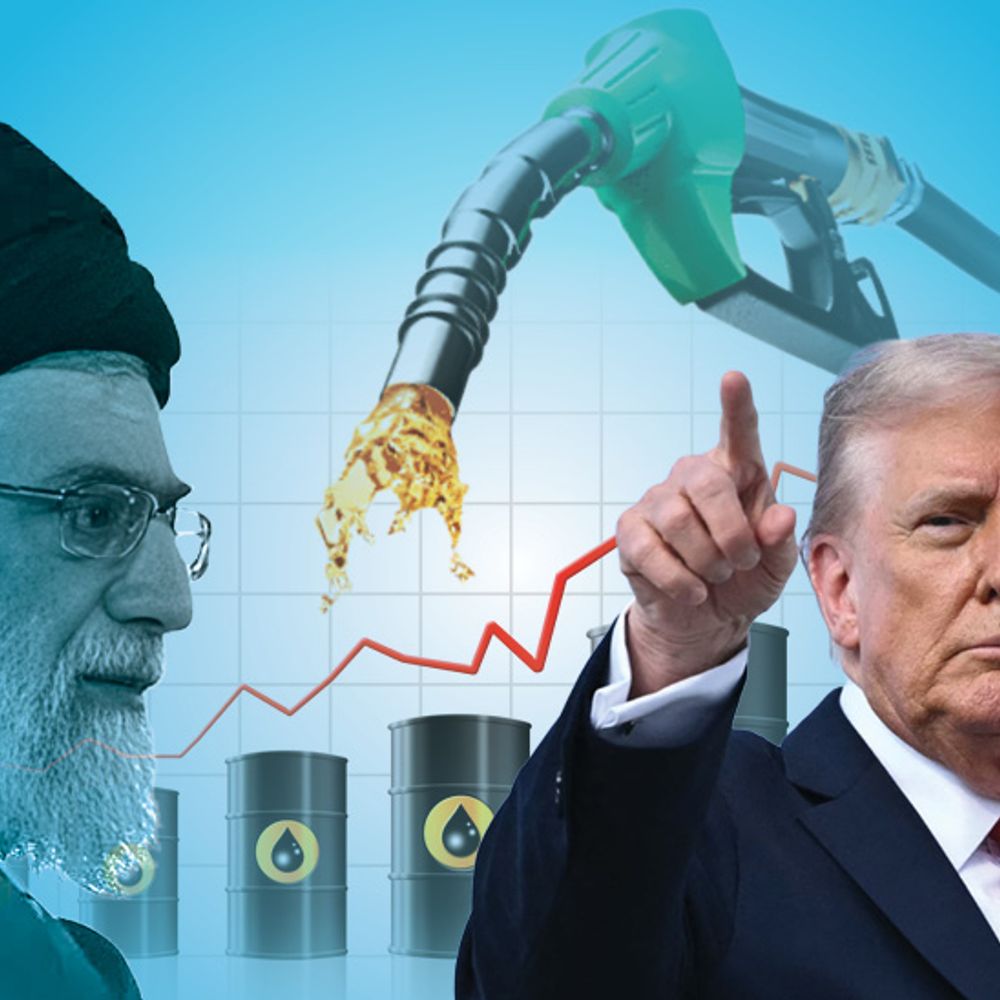
Iran’s Supreme Leader, Ayatollah Ali Khamenei, has been killed in an attack by the US and Israel. If this war continues and the Strait of Hormuz is closed, crude oil prices could rise. This could impact oil prices, the stock market, and gold and silver in India. 1. Petrol and Diesel: Petrol prices in Delhi could rise from ₹95 per liter to ₹105, while diesel prices could rise from ₹88 to ₹96. This is because India imports 90% of its oil needs. About 50% of this crude comes through the Strait of Hormuz. Experts believe that if Iran blocks this route, crude oil supply in the international market will decrease, and prices could reach $100 to $120 per barrel. Currently, Brent crude is trading around $70 per barrel. Companies are free to change prices, but the final decision rests with the government. Petrol and diesel prices in India are determined by state-owned oil companies. These prices depend on the average international crude oil price over the past 15 days and the rupee’s position against the dollar. However, companies determine the base price. The final price reached by the common man includes a significant portion of central and state government taxes. This means that oil companies are free to increase prices, but the final decision depends on the government’s stance. In war-like situations, the government can advise companies not to increase prices to maintain political and economic stability, or it can reduce taxes itself to prevent the public from being burdened by increased prices. 2. Gold and Silver: According to commodity expert Ajay Kedia, gold prices could rise from ₹1.60 lakh per 10 grams to ₹1.90 lakh. Silver, which is currently at ₹2.67 lakh per kg, could rise to ₹3.50 lakh. Investors consider gold a safe haven during times of war. 3. Stock Market: Market experts predict a 1-1.5% decline in the stock market. The Sensex could fall by 1,300 points and the Nifty by 300 points on Monday. During times of tension, such as war, investors withdraw funds from the market and invest in safer avenues. Now, learn about the Strait of Hormuz… The Strait of Hormuz is a 167-kilometer-long waterway that connects the Persian Gulf to the Arabian Sea. Its mouths are approximately 50 kilometers wide, while its narrowest point is approximately 33 kilometers. A 3-kilometer-wide shipping lane is designated for incoming and outgoing maritime traffic. 20% of the world’s petroleum passes through it. Besides Iran, countries like Saudi Arabia, Iraq, and Kuwait also rely on it for their exports. More than 10% of India’s total non-oil exports are supplied through this route. This includes basmati rice, tea, spices, and engineering goods. Every day, approximately 17.8 million to 20.8 million barrels of crude oil and fuel travel through this route. Iran itself exports 1.7 million barrels of petroleum through this route daily. Closure of the Strait of Hormuz will also harm Iran. Following the death of the Supreme Leader, the Iranian military is considering several options for retaliation. These include targeting US military bases and attacking Israeli territories. However, Iran’s most significant geopolitical weapon is closing the Strait of Hormuz. This allows it to exert pressure on the global economy. However, closing the Strait of Hormuz could also devastate Iran’s economy, preventing it from exporting its own oil. Furthermore, China is Iran’s largest buyer of oil. If supplies are disrupted, relations with China could deteriorate. Saudi Arabia has the East-West Pipeline as an alternative to the Strait of Hormuz. This 746-mile pipeline runs from one end of the country to the other (Red Sea Terminal). It can transport 5 million barrels of crude oil daily. India and other Asian countries are monitoring such alternative routes and safe storage. India is increasing oil imports from other countries. The government is already preparing to deal with this potential crisis. According to sources, India is increasing oil purchases from suppliers outside the Gulf countries. Furthermore, if needed, India can also draw oil from its Strategic Petroleum Reserve (SPR). ———————————— Read this news also… Will the Iran-Israel war make petrol and diesel more expensive? Gold and silver prices will rise; if the sea route is closed, there will be a crisis in crude oil supply.
Iran’s Supreme Leader Ayatollah Ali Khamenei has been killed in attacks by the US and Israel. Following this, a 40-day mourning period has been declared in Iran. On Sunday morning, people were seen crying and scattered in the streets. They were seen shouting slogans demanding retaliation from the government. Read the full story…