

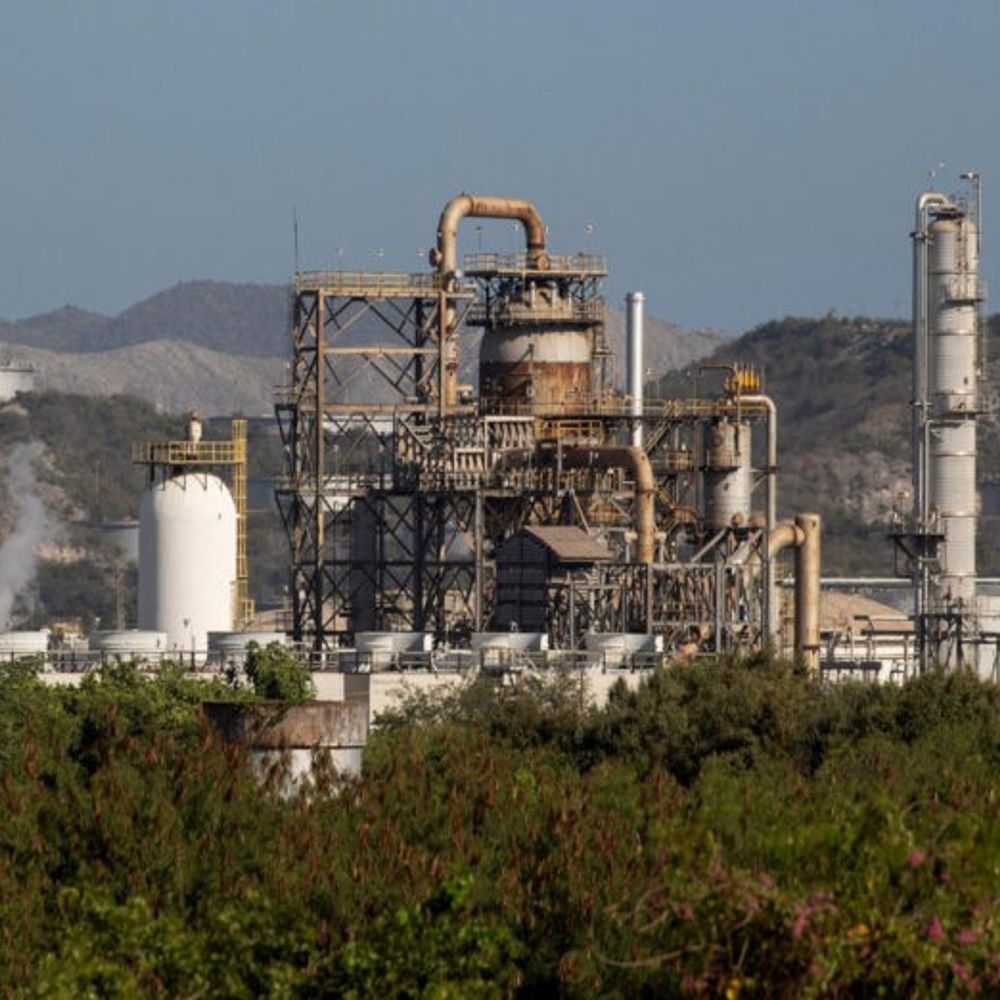
Amidst rising tensions in West Asia and the Iran-Israel war, India now has only 25 days of crude oil and refined oil reserves. News agency ANI provided this update regarding the country’s energy security, citing government sources. However, the government will not raise petrol and diesel prices immediately. Iran has announced the closure of the Strait of Hormuz. The Iranian military has warned that any ship passing through this route will be set on fire. This route, located between Oman and Iran, is considered crucial for the global oil trade. The closure of the Hormuz route will impact oil supplies to many countries, with Asian countries, including India, being the most affected. Due to the closure of this route, global crude oil prices could exceed $100 per barrel. Currently, Brent crude prices have risen by approximately 5.58% to reach around $80.41 per barrel. There are no plans to increase petrol and diesel prices. It is a matter of relief for the general public that the Indian government has no intention of increasing the prices of petrol and diesel at this time. According to sources, efforts are being made to maintain stable prices domestically despite fluctuations in the international market. The Petroleum Ministry has stated that all necessary steps will be taken to ensure the availability and affordable prices of key petroleum products in the country. Congress asks: Who stole 74 days of oil? After the figures were revealed, the Congress asked the government: Who stole our oil? Kerala Congress wrote on X that on February 9th, Union Minister Hardeep Singh Puri told the Rajya Sabha that we had 74 days of petroleum reserves and there was no need to worry. Today, the government says we have only 25 days of stock. The war started on February 28th, and it has been only four days since the war began. So, logically, we should have 70 days of petroleum reserves as of today. Congress questioned, “Who stole our millions of barrels of oil reserves, enough for 45 days—Modi’s friend? Or was Hardeep Singh Puri lying in Parliament? Hardeep Puri should answer this and resign.” Qatar cuts natural gas supplies to India. Meanwhile, Qatar has drastically cut its natural gas (LNG) supplies to India. Following the Iranian drone attacks, Qatar declared “force majeure” and halted production. This has directly impacted Indian industries, which have seen a 10 to 40% reduction in supplies. Qatar is India’s largest gas supplier, accounting for approximately 40% of its annual gas supply. Earlier on Monday, Union Petroleum and Natural Gas Minister Hardeep Singh Puri held a high-level meeting with senior ministry officials and state-owned oil companies. The meeting reviewed the supply situation of crude oil and LPG. The ministry posted on the social media platform X stating that it is closely monitoring the evolving situation. The government is actively addressing the impact on exports and imports, not just oil, but also trade. The Directorate General of Foreign Trade (DGFT), under the Ministry of Commerce, held a stakeholder consultation meeting to discuss the potential impact of geopolitical tensions in West Asia on India’s exports and imports and cargo flows. The meeting addressed the challenge of rising shipping routes and insurance costs. Representatives from logistics operators and shipping lines stated that the current tensions are forcing ship reroutes, increasing transit time. Furthermore, freight and insurance costs are also increasing. The government has emphasized simplifying documentation and payment processes for exporters and importers and reducing cargo movement delays. India’s reliance on West Asia is significant. India imports approximately 85% of its crude oil needs, a significant portion of which comes from West Asian countries. This is why any development in this region directly impacts India’s economy and energy security. The government is now focusing on alternative routes, such as Russia and other African countries, to reduce dependence on any one region. India will again increase crude oil purchases from Russia. A day earlier, Bloomberg reported that India has once again turned to Russia after the war between Iran and Israel disrupted the oil supply chain. India is planning to increase crude oil purchases from Russia to meet its needs. Oil supplies through the Strait of Hormuz have virtually stopped, leading officials from government refineries and the Petroleum Ministry to hold an emergency meeting in Delhi to explore alternatives. India is preparing to purchase Russian oil tankers stationed at sea. According to the report, India is considering purchasing Russian oil cargoes that are currently located near the Indian Ocean or in Asian waters. According to data, approximately 9.5 million barrels of Russian crude oil are currently loaded in tankers and waiting around Asian countries. In the event of a supply shortage, India can immediately receive these tankers, reducing both transportation time and costs. Why is Russian oil important to India? Cheaper option: Russia offers oil to India at a discount to benchmark prices. Supply security: When tensions in the Middle East disrupt supplies through the Strait of Hormuz, Russia is a safe option. Impact on the economy: Cheaper oil keeps petrol and diesel prices stable and inflation under control. India is the third-largest buyer of Russian oil. In December 2025, India ranked third in oil purchases from Russia. Turkey became the second-largest buyer. Turkey purchased oil worth 2.6 billion euros. India purchased 2.3 billion euros (approximately €23,000 crore) of oil from Russia. In November, India purchased 3.3 billion euros (₹34,700 crore) of oil from Russia. China remains the largest buyer, purchasing 6 billion euros (approximately ₹63,100 crore) of oil from Russia in December. Reliance Industries was the primary reason for India’s reduced purchases. Reliance’s Jamnagar refinery reduced its oil purchases from Russia by nearly half. Previously, Reliance used to source its entire supply from the Russian company Rosneft, but fearing US sanctions, companies are now purchasing less oil from Russia. In addition to Reliance, state-owned oil companies also reduced their oil purchases from Russia by approximately 15% in December. Read this news as well… Iran-Israel war threatens 50% of India’s oil supply: Gold and silver could become more expensive; 10% of exports could also be at risk if the Hormuz route is closed. The war between Iran and Israel could impact India’s oil, trade, stock market, and gold and silver prices. If the war escalates further, the Strait of Hormuz could be closed, jeopardizing half of India’s monthly oil supply. Additionally, India’s non-oil exports could be affected. More than 10% of these supplies come from this region. Experts believe that escalating the war could lead to a sharp increase in crude oil prices. Higher oil prices increase inflation, which will also impact the stock market. Read the full story…


